OUR PROGRAMS
From conferences that inspired to programs that transform
TECHNOVATION GIRLS
The Evolution: From One Day to 12 Weeks
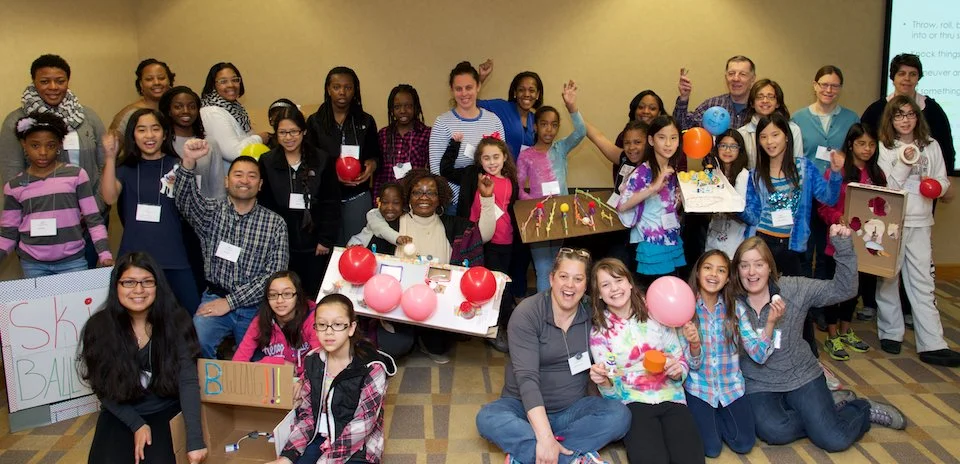
We used to bring hundreds of girls together for one exciting Saturday of hands-on science. They loved it. We loved it. But one day wasn't enough.
Now, through Technovation Girls, teams of girls spend 12 weeks building real apps that solve real problems in their communities.
Not a workshop. A complete journey from "What if?" to "We built it.
Technovation Girls: Where Girls Code Solutions That Matter
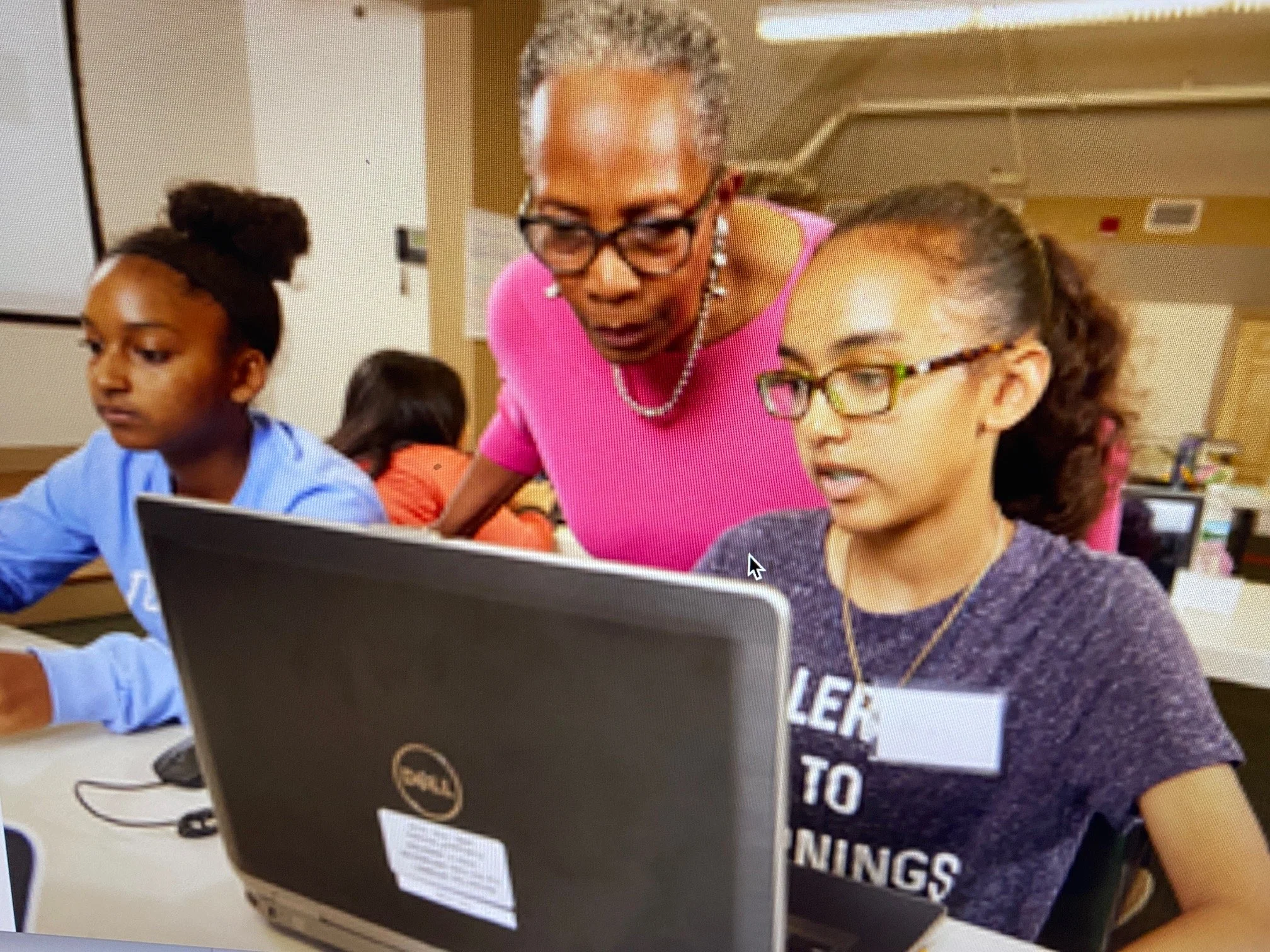
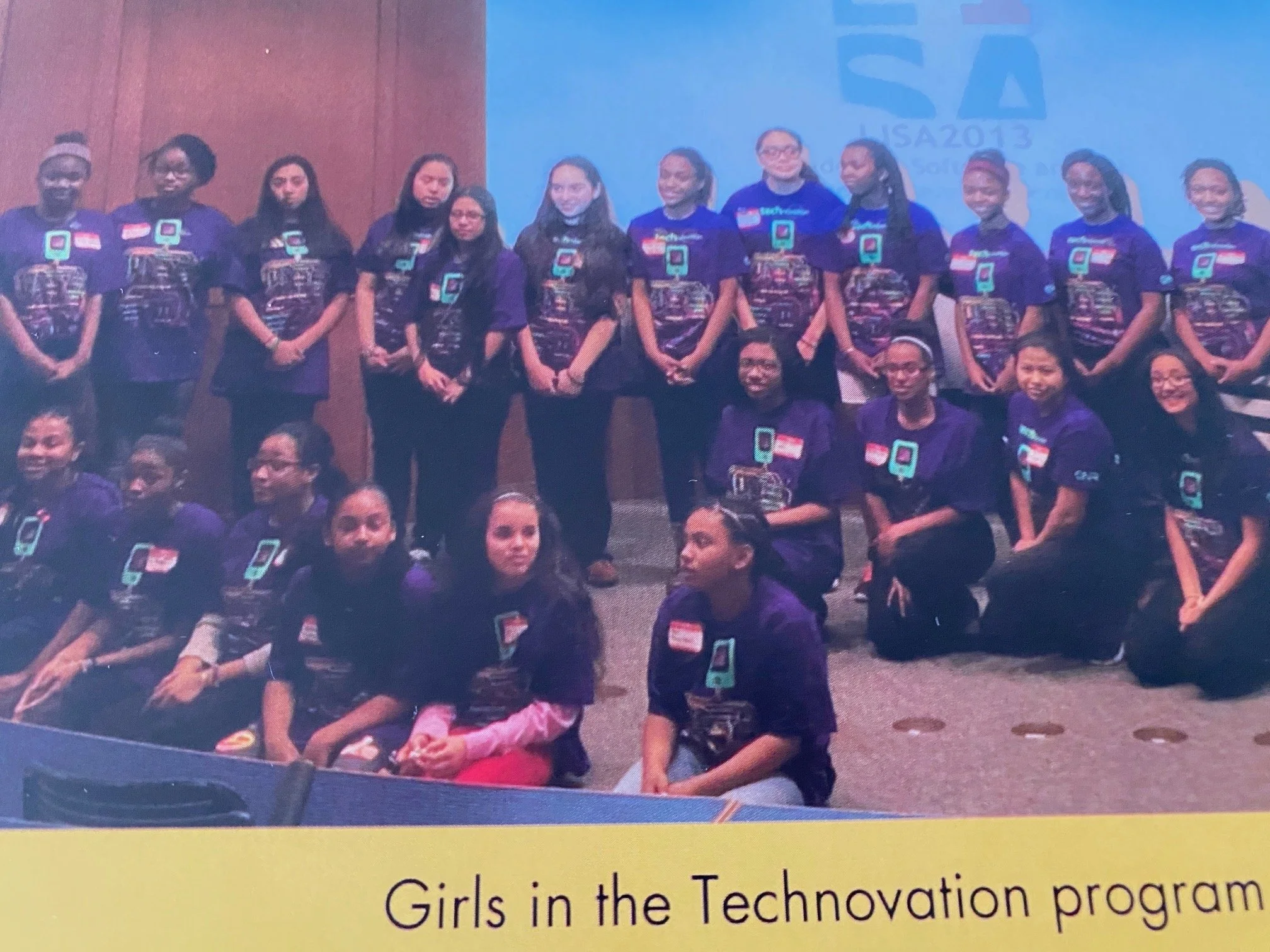
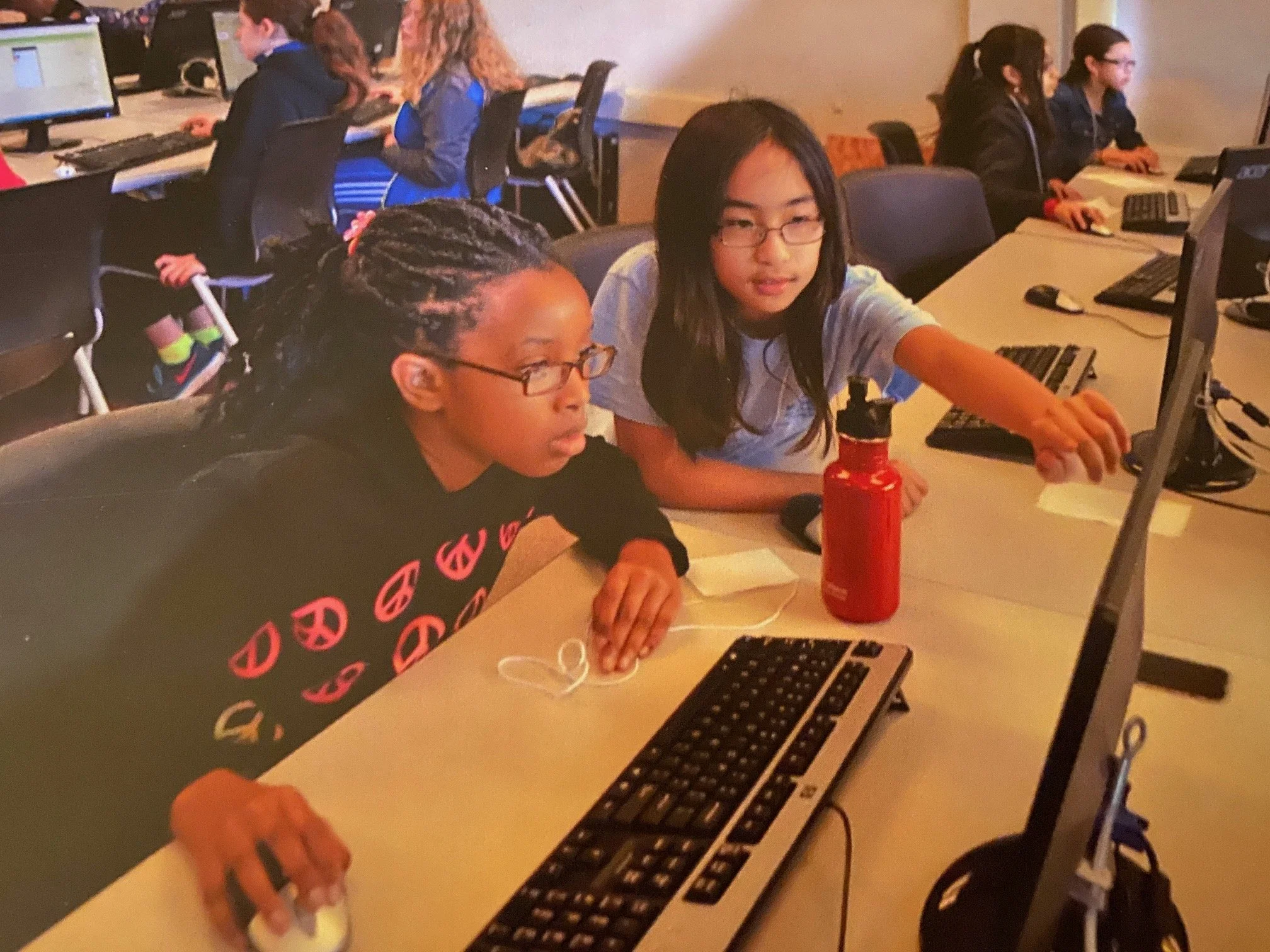
Technovation Girls is a 12-week program that empowers girls ages 8–18 to become changemakers in their communities. Working in teams, participants identify real-world problems that matter most to them, research the issues, and design technology-based solutions to address those challenges. Through this hands-on process, girls develop critical skills in collaboration, problem-solving, creativity, and leadership—while gaining confidence in their ability to use technology to create positive change.
-
Working in small teams with trained mentors, girls master coding, app development, AI basics, entrepreneurship, and pitch presentation skills. Then they compete regionally and globally with teams from over 100 countries.
-
Through partnerships with a local after-school program, we remove transportation and cost barriers by bringing the program directly into schools where girls already gather.
-
Among Technovation alumnae, 76% pursue STEM degrees (compared to 21% nationally) and 60% work in STEM careers (compared to 29% nationally). Girls develop not just technical skills but essential capabilities: teamwork, problem-solving, resilience, and leadership.
-
Three age-based divisions—Beginner (ages 8-10), Junior (ages 11-14), and Senior (ages 15-18)—ensure developmentally appropriate challenges. Best of all, the program is FREE for all participants, ensuring every girl has access regardless of family income.

The Grand Celebration!
At the end of the twelve-week program, girls take part in a grand celebration where they present the problems they identified, the innovative solutions they created, and how they developed their apps to solve real community challenges. Judges assess each presentation based on detailed rubrics, evaluating technical execution, business viability, and social impact. Prizes are awarded to outstanding teams. The atmosphere in the celebration is electric—parents fill the room, their faces beaming with pride as they watch their daughters confidently present their work. The energy is palpable as girls demonstrate their apps, answer challenging questions, and celebrate their accomplishments together. It's a powerful moment that transforms not just how girls see themselves, but how their families and communities see them: as innovators, entrepreneurs, and change-makers.
Spring 2026
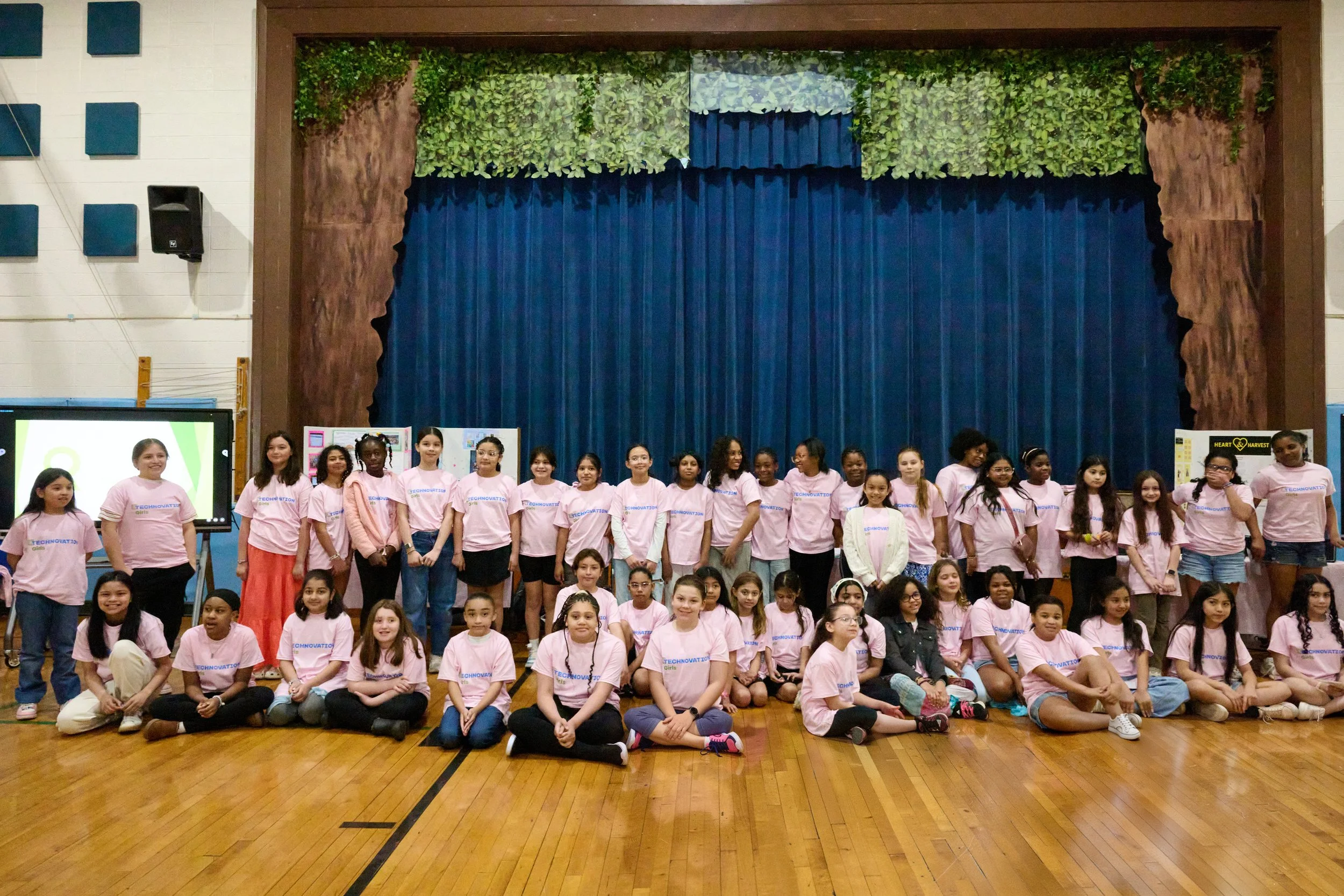
Amazing Girls Science, fifth-grade students in the Carver Scholars Program spent 12 weeks — December through April — learning to harness technology, innovation, and entrepreneurship through the Technovation Girls initiative. Working in teams across six Norwalk elementary schools, the girls identified real-world problems and designed app-based solutions addressing issues like violence reporting, animal welfare, nutrition, water conservation, caregiver health alerts, and home cooking.
Their culminating Technovation Celebration brought together families, mentors, and judges to watch each team present their work, with prizes awarded to the top three teams and every participant receiving an ice cream token to Stew Leonard's. Beyond the technology skills, the day showcased the girls' growth in confidence, teamwork, public speaking, and problem-solving — a powerful reminder that young people can create meaningful solutions for the communities they love.
Mother-Daughter Science Events: Building Bonds Through Discovery
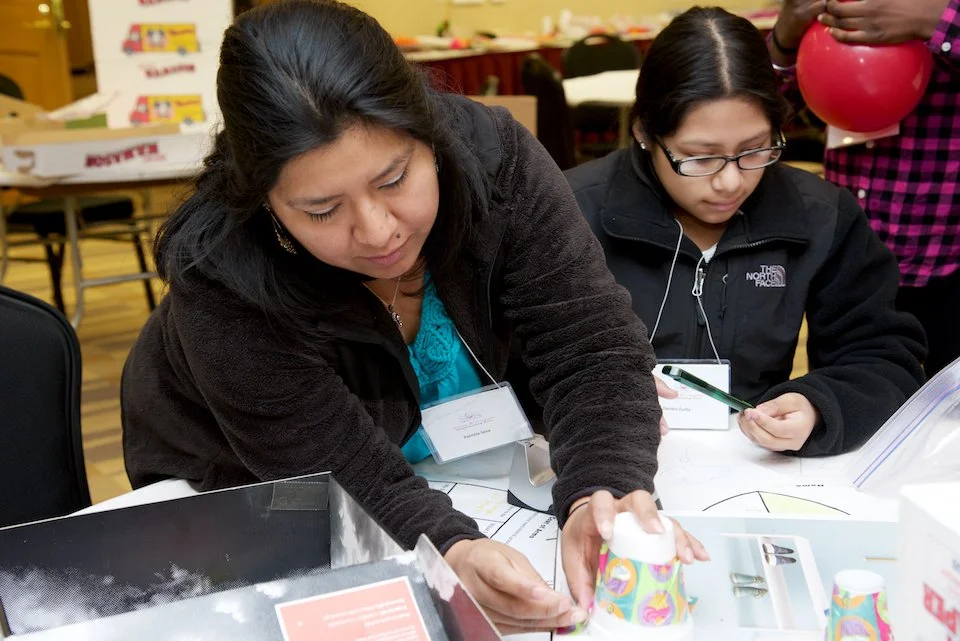
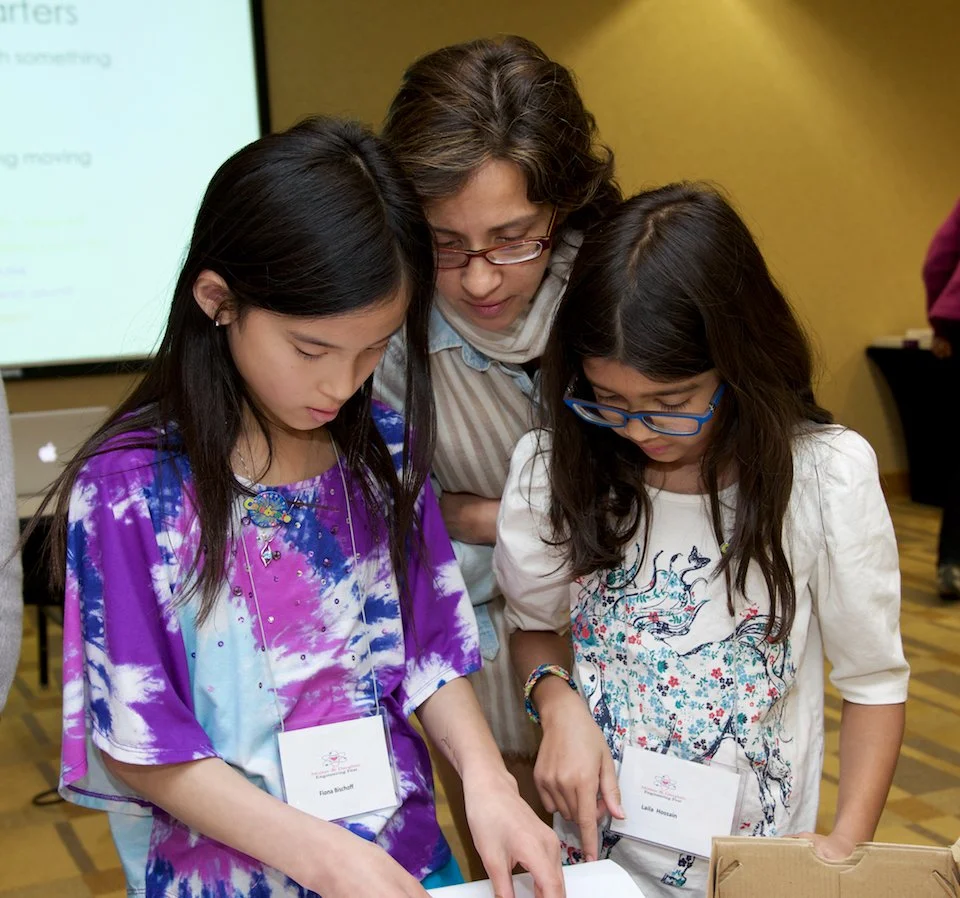
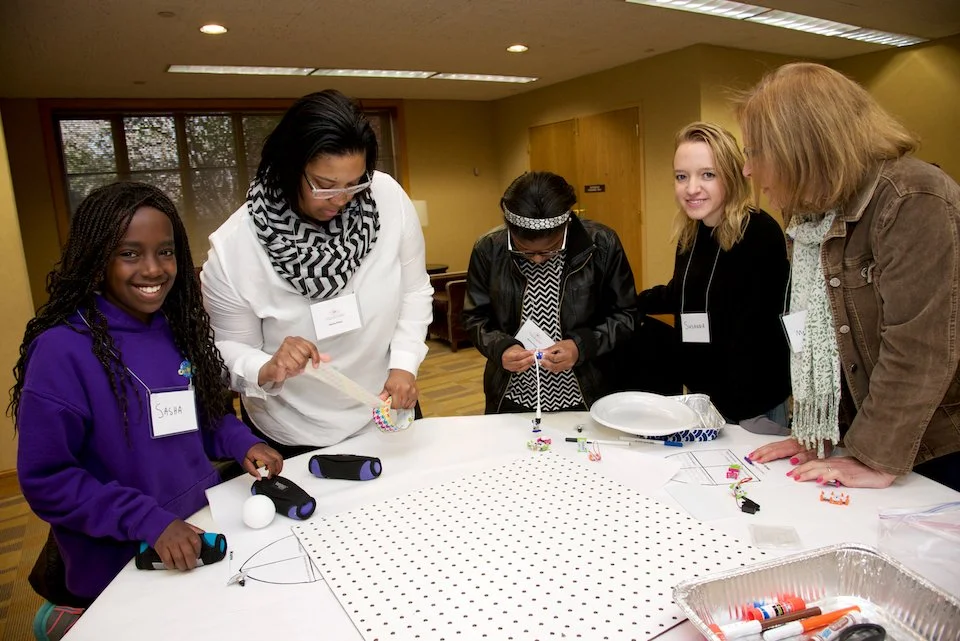
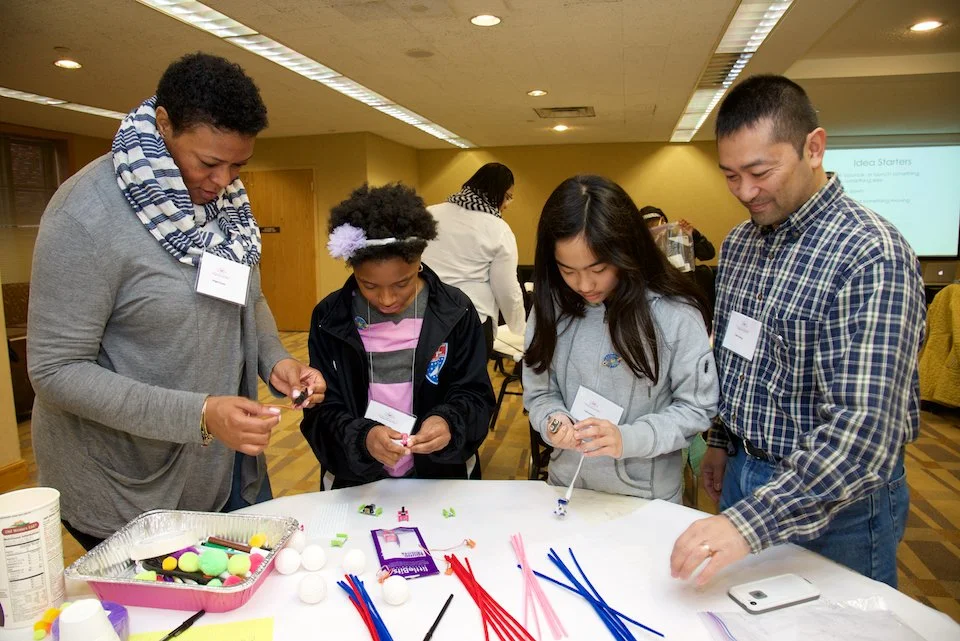
Mother-daughter science events create a unique space where learning and relationship-building happen simultaneously.
-
When mothers and daughters explore science together as co-learners, it levels the playing field. Neither is the "expert"—both are discovering, experimenting, and problem-solving side by side. This creates genuine collaboration rather than the typical parent-teaching-child dynamic.
-
Girls see their mothers engaging confidently with science and technology. This sends a powerful message: "Women belong in STEM." When a daughter watches her mom troubleshoot a circuit or build a robot, it normalizes female participation in fields where women remain underrepresented.
-
These events provide dedicated time focused on a shared goal. Working together on a science challenge requires communication, teamwork, and mutual support. The conversations that happen while solving problems together often create memorable bonding moments that extend beyond the activity itself.
-
Daughters gain confidence seeing science as accessible and fun. Mothers often rediscover abilities they'd forgotten or never knew they had. When they successfully complete a challenge together, both experience the pride of accomplishment, strengthening their relationship and individual self-efficacy.
-
These experiences become reference points: "Remember when we built that solar oven?" or "Remember debugging that code?" These shared memories create inside jokes, talking points, and a foundation for continued STEM interest at home.